
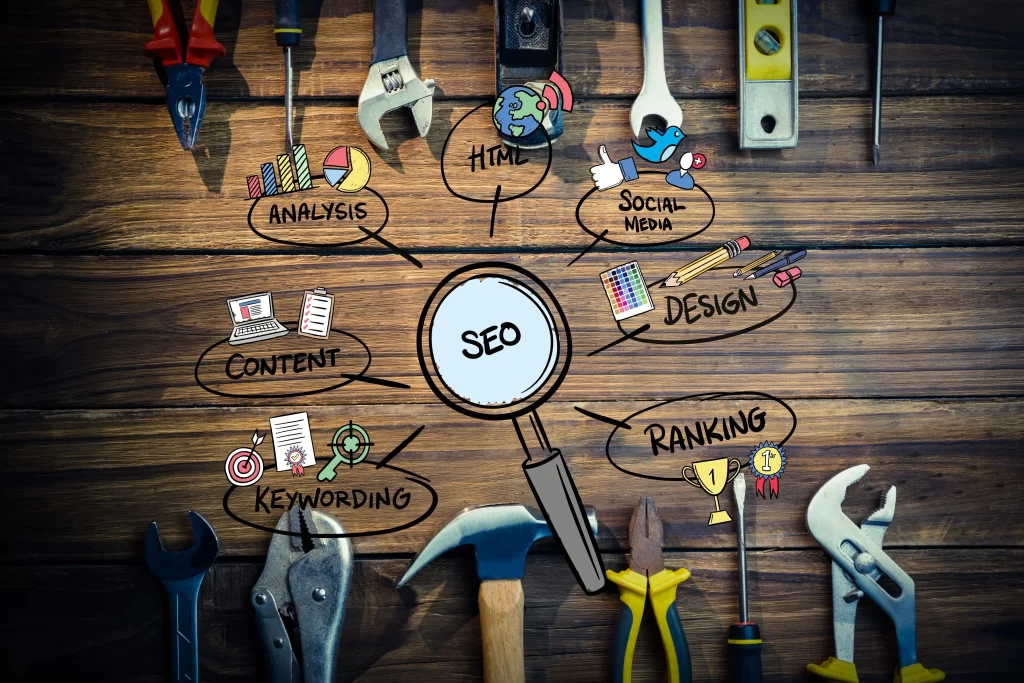
Redesigning your website is an exciting project that can refresh the online presence of your brand and improve the user experience. The process is not without its challenges, particularly if you are concerned about damaging your SEO ranking. Successful website redesigns should enhance functionality and aesthetics but also maintain or improve SEO performance. Partnering with a digital marketing company in Noida can help ensure that your SEO efforts are maintained during the redesign process. Here’s how to approach a website redesign without hurting your SEO ranking.
1. Plan Your Redesign with SEO in Mind
The first step in redesigning your website is to make sure that SEO is a core consideration from the very beginning. It is important to understand your current SEO performance. You should also review what works and ensure that the essential elements are retained or enhanced during the redesign. You can assess your current situation and make the best decisions with the help of a trusted digital marketing company in Noida. Identify the top-performing pages, your high-value keywords and backlinks. Also, identify any current technical issues with SEO. Imagine that your website is ranked well for certain keywords. It is important to make sure that these pages are still optimized for the new design. This information will allow you to make an informed decision about what you want to keep and what changes to make.
Working with a website development company in Noida can provide you with expertise to ensure your SEO strategy is not compromised during the redesign.
2. Maintain URL Structure or Implement Proper Redirects
One of the biggest mistakes that businesses make during a website redesign is changing the URL structure of their site. Search engines may struggle to index new content if you change URLs. Existing backlinks won’t point to the right destination. This can have a negative impact on your SEO efforts, particularly if you are working with a web designing team who don’t place a high priority on these technical elements.
To prevent this, it’s vital to either maintain your existing URL structure or, if that’s not possible, set up proper 301 redirects. A 301 redirect tells search engines that a page has permanently moved to a new location. This ensures that any existing link equity is passed to the new pages and your rankings are preserved.
For example, if you are redesigning a page that has a strong SEO performance, don’t just change the URL for aesthetic reasons. If a change is unavoidable, implement 301 redirects to send both search engine crawlers and users to the right page.
3. Optimize On-Page SEO During the Redesign
When redesigning a website, there is a chance to refresh your on-page SEO elements, such as title tags, meta descriptions, header tags, and content. However, this process needs to be done carefully. Working with a digital marketing company in Noida during the redesign can help you maintain the integrity of your SEO efforts.
- Title tags and meta descriptions: Ensure that these crucial elements are updated to reflect any changes in keywords or content focus while keeping the original intent. Avoid keyword stuffing; instead, focus on creating compelling and descriptive titles that match search intent.
- Header tags (H1, H2, etc.): These should follow a logical structure to improve the page’s readability and SEO. The main topic of the page should be indicated with an H1 tag, followed by H2 and H3 tags for subheadings.
- Content: While redesigning, review your website’s content for relevance, quality, and engagement. Keep the important keywords and improve the quality of the content to ensure that it meets the needs of your audience and aligns with search engine guidelines.
4. Avoid Overhauling Content Without Consideration
Content is king when it comes to SEO. Overhauling your website content without considering how it impacts SEO can have a negative impact. This is especially true for pages that rank well for valuable keywords. Collaborating with a website development company in Noida will ensure that your content remains optimized during the redesign.
Ask yourself before you remove or change any content: Does this content contribute towards your SEO strategy? Are you targeting valuable keywords? You should be cautious when making changes to your content. This will help you avoid losing valuable rankings for keywords. Consider refining and expanding existing content instead of doing a complete overhaul to improve the quality.
Additionally, use tools like Google Analytics and Google Search Console to understand the traffic and rankings of your pages. If you have valuable, high-ranking content, ensure that it remains intact after the redesign.
5. Mobile Optimization and Site Speed
Redesigning your website is a great opportunity to optimize it for mobile devices and improve the loading time. Both are important for SEO. Google uses a mobile-first indexing policy. This means that it will use the mobile version of your website to determine ranking. A mobile-friendly website is now a must.
Ensure that your website redesign includes a responsive design, meaning the site should adjust its layout and functionality to suit the screen size of the device being used. This is especially important as mobile traffic continues to rise.
In addition, improve your website’s load time. Slow-loading websites not only frustrate users but also have a negative impact on SEO rankings. Compress images, reduce unnecessary scripts, and implement caching to speed up your site’s performance. Partnering with a web designing team ensures that your website is optimized for speed and responsiveness.
6. Implement Structured Data and SEO-Friendly URL Structures
Using structured data (schema markup) can give search engines more information about your content, which can enhance your visibility in search results. By incorporating schema markup into your website redesign, you provide additional context that can lead to rich snippets in search results, which can increase click-through rates.
Also, ensure that URLs remain clean, descriptive, and SEO-friendly. Avoid long strings of numbers and symbols and aim for URLs that are short, readable, and contain relevant keywords.
7. Test Everything Before Launch
It is important to test thoroughly before launching your new website to make sure that it works as intended. It is important to test for broken links, verify that redirects have been set up correctly, ensure that images and text are displayed correctly, and confirm that all SEO elements are intact (title tags and meta descriptions). This includes checking for broken links, ensuring that redirects are set up correctly, ensuring that images and content are displaying correctly, and verifying that all SEO elements (title tags or meta descriptions) have been included.
Use tools like Screaming Frog or Sitebulb to crawl your website and ensure everything is functioning properly. These tools can help you identify any technical SEO issues that may arise after the redesign.
8. Monitor Performance After Launch
Once your website is live, it’s important to monitor its performance closely. Keep track of traffic, rankings, and user engagement to detect any drops in SEO performance. If you notice any issues, it’s better to address them as quickly as possible.
Tools like Google Search Console and Google Analytics are invaluable in this phase, as they can help you pinpoint specific problems such as crawling errors, 404 pages, or missing redirects.
Final Verdict:
A planned and careful approach is required to redesign a website that does not damage its SEO. Following these steps – maintaining your URL structure and optimizing on-page search engine optimization while focusing on mobile and page speed and testing thoroughly prior to launch – you can create a site that improves the user experience and maintains your SEO ranking. If you’re unsure about how to execute a redesign without losing your SEO efforts, consulting with an experienced digital marketing company in Noida and a professional website development company in Noida, such as Xelogic Solutions, can ensure that the process goes smoothly.
Frequently Asked Questions:-
1. Will changing my website’s design affect its SEO?
Yes, if not done carefully. It’s essential to maintain URL structure, use proper redirects, and preserve valuable content to avoid harming your SEO. Consulting with a digital marketing company in Noida can ensure these aspects are carefully managed during the redesign.
2. How can I keep my SEO ranking after a website redesign?
By maintaining your existing URL structure, implementing 301 redirects for any changed URLs, and ensuring key SEO elements (title tags, meta descriptions) are intact. Working with a website development company in Noida will help you preserve SEO while making design updates.
3. Is mobile optimization important for SEO after a redesign?
Absolutely! With mobile-first indexing, ensuring your website is mobile-friendly is crucial for maintaining or improving your SEO ranking. A web designing team will make sure your site is optimized for mobile devices, boosting your SEO.
4. How can I improve my website’s speed during a redesign?
Compress images, reduce unnecessary scripts, and implement caching to improve load times and boost SEO performance.
5. Should I update content during a website redesign?
Yes, but be careful not to remove or drastically change content that’s already ranking well. Focus on improving the quality of existing content instead.
Also Read:
- Struggling to Rank on Google? Discover How Our SEO Services Can Transform Your Business
- Is Your Business Using Web Development Services Right?
- Grow Your Business Online with Expert SEO Services in India

Radhika Lohmod
I'm Radhika Lohmod, Senior Content Specialist at Xelogic Solutions, and I specialize in creating high-quality content across various domains to help businesses connect with their audience.